A delusion is a fixed false belief that is often based on a misinterpretation of reality.
Is there another explanation?
Stay Calm and Validate Feelings
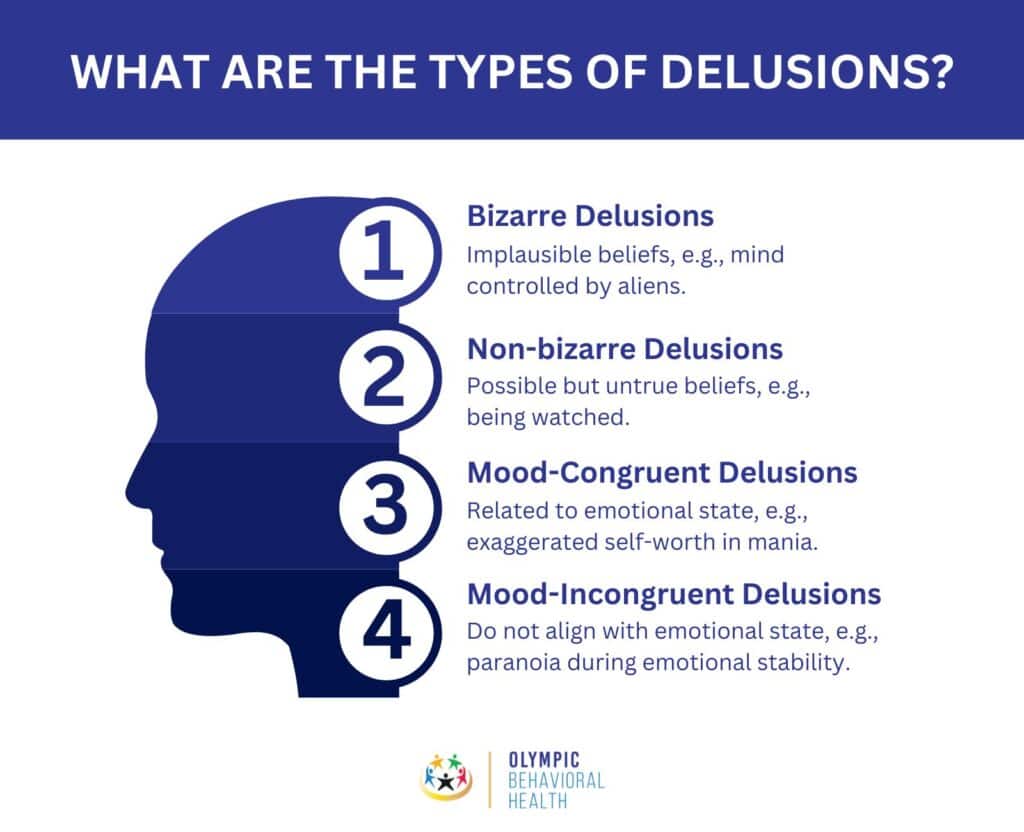
Delusions are common in dementia and can stem from a person trying to make sense of a confusing world.
These beliefs are not easily changed, even when presented with contrary evidence.
Common Delusions in Dementia
People with dementia may believe:
Why Do Delusions Occur?
Delusions in dementia can arise due to:
Not all delusions are purely related to dementia. Before concluding someone is experiencing a delusion, consider:
Common Delusions in Dementia
People with dementia may believe:
- Their partner is unfaithful.
- A relative has been replaced by an imposter.
- Their food is poisoned.
- The heater is releasing poisonous gases.
- Caregivers or staff are trying to harm or steal from them.
- People are conspiring against them or planning harm.
Why Do Delusions Occur?
Delusions in dementia can arise due to:
- Memory Loss. The person forgets recent events and fills in the gaps with false ideas. Example: They may claim their family has abandoned them because they don’t remember recent visits.
- Misinterpretations of Reality. People may misinterpret objects, conversations, or their surroundings. Example: Mistaking a caregiver for a family member or seeing TV characters as real people.
- A Need to Explain Reality. When things don’t make sense, the brain tries to create logical explanations. Example: A person with a recently amputated leg claims they lost it in WWII.
- Fear or Vulnerability. Delusions often reflect feelings of danger, vulnerability, or lack of control. Example: Believing someone is stealing their items when they’ve simply misplaced them.
Not all delusions are purely related to dementia. Before concluding someone is experiencing a delusion, consider:
Is there another explanation?
- Could their belongings actually be misplaced or taken?
- Could someone really be entering their space?
- Hearing loss or vision impairments may cause misperceptions.
- Poor lighting, excessive noise, or unfamiliar surroundings may trigger confusion.
- Delusions can result from infections (e.g., UTIs), side effects of medication, or dehydration.
- Believing someone has stolen their belongings (misplacing them).
- Thinking TV shows are real events.
- Insisting on going home to a spouse or relative (reverting to past memories).
- Seeing children or animals that aren’t present (common in Lewy body dementia).
- Mistaking a caregiver for a family member or friend.
Stay Calm and Validate Feelings
- Don’t argue or try to convince them their belief is false. Example: “I understand that feels scary. I’m here to help you.”
- Provide comfort and gently redirect focus to a positive activity. Example: “Let’s look for your things together, and afterward we can have tea.”
- Rule out infections, sensory impairments, or medication issues.
- Reduce noise, improve lighting, and remove clutter to minimize confusion.
- Observe when delusions occur. Are they linked to a specific time, place, or trigger?
- Arguing may escalate their distress and behavior.
Respond with patience, validation, and reassurance while investigating possible physical or environmental causes.