Wearing disposable gloves is essential for maintaining hygiene and preventing the spread of infections.
Handle Contaminated Items: This includes tissues, disposable underwear, soiled clothing, and linens.
Assist Clients with Open Wounds: Prevent infections while treating wounds or injuries.
Clean Up Body Fluids: Safeguard yourself during tasks involving spills or cleaning.
Provide Toileting or Personal Care Assistance: Maintain hygiene while assisting with tasks such as bathing, dressing, or toileting.
Have Cuts, Scrapes, or Chapped Hands: Reduce the risk of introducing or contracting infections through broken skin.
Additional Tips for Safe Glove Use
Wash Hands Before and After Use: Clean your hands thoroughly before putting on gloves and after removing them.
Use Gloves Properly: Ensure gloves fit well and are free from tears or holes.
Change Gloves Frequently: Replace gloves between tasks, especially when switching from one client to another.
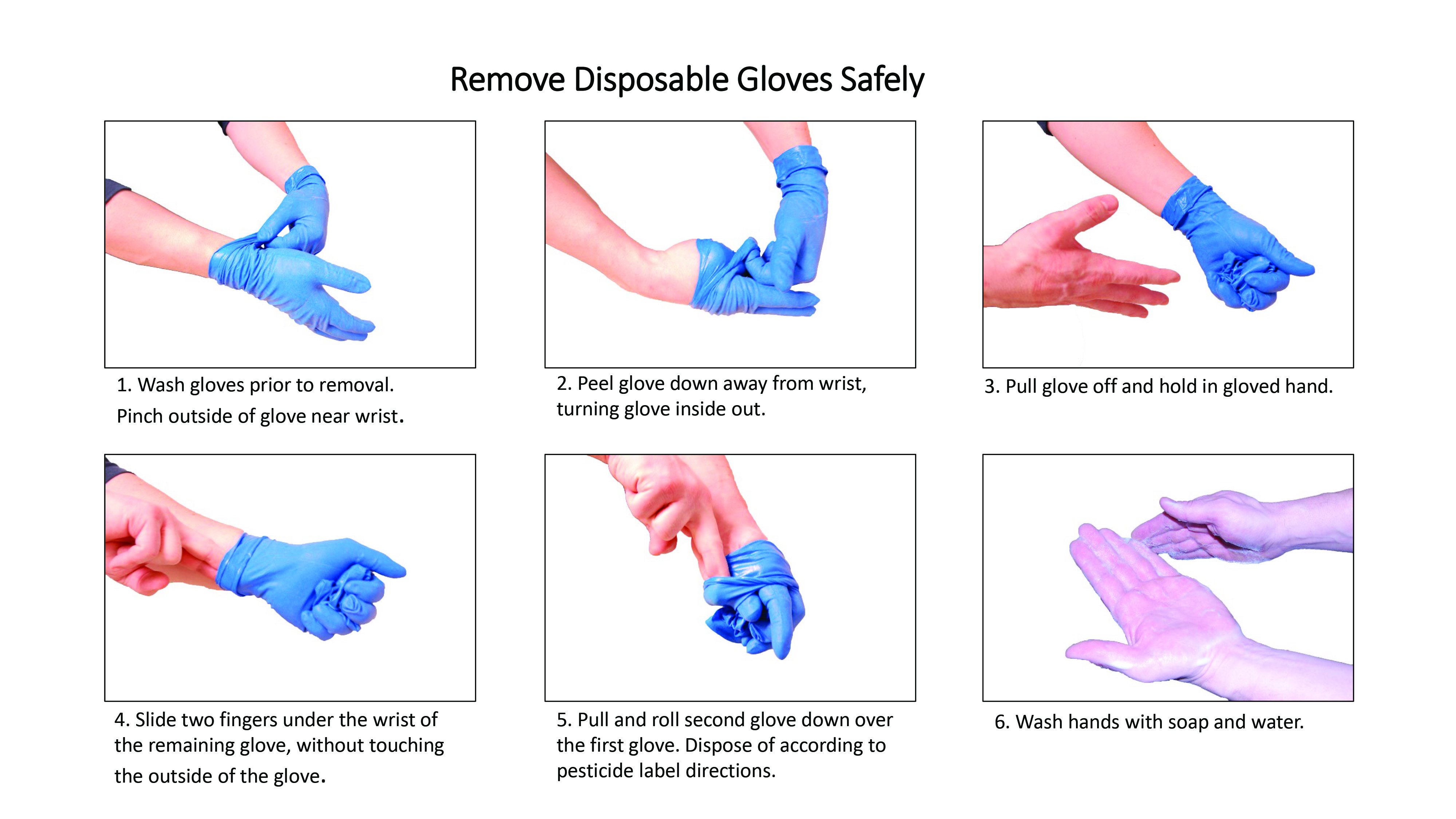
Dispose of Gloves Safely: Remove gloves carefully to avoid contamination and dispose of them in designated waste containers.
By following these guidelines, caregivers can promote a safe and sanitary environment while ensuring proper protection during care tasks.
Gloves provide protection for both caregivers and clients during personal care tasks.
When to Wear Disposable Gloves
Wear gloves whenever you: Come into Contact with Blood or Body Fluids: Protect your skin from exposure during tasks involving bodily fluids.
When to Wear Disposable Gloves
Wear gloves whenever you: Come into Contact with Blood or Body Fluids: Protect your skin from exposure during tasks involving bodily fluids.
Handle Contaminated Items: This includes tissues, disposable underwear, soiled clothing, and linens.
Assist Clients with Open Wounds: Prevent infections while treating wounds or injuries.
Clean Up Body Fluids: Safeguard yourself during tasks involving spills or cleaning.
Provide Toileting or Personal Care Assistance: Maintain hygiene while assisting with tasks such as bathing, dressing, or toileting.
Have Cuts, Scrapes, or Chapped Hands: Reduce the risk of introducing or contracting infections through broken skin.
Additional Tips for Safe Glove Use
Wash Hands Before and After Use: Clean your hands thoroughly before putting on gloves and after removing them.
Use Gloves Properly: Ensure gloves fit well and are free from tears or holes.
Change Gloves Frequently: Replace gloves between tasks, especially when switching from one client to another.
Dispose of Gloves Safely: Remove gloves carefully to avoid contamination and dispose of them in designated waste containers.
By following these guidelines, caregivers can promote a safe and sanitary environment while ensuring proper protection during care tasks.