Listening is a cornerstone of effective caregiving communication.
Silence can be a powerful tool in caregiving communication:
If you need to take notes during a conversation, follow these guidelines:
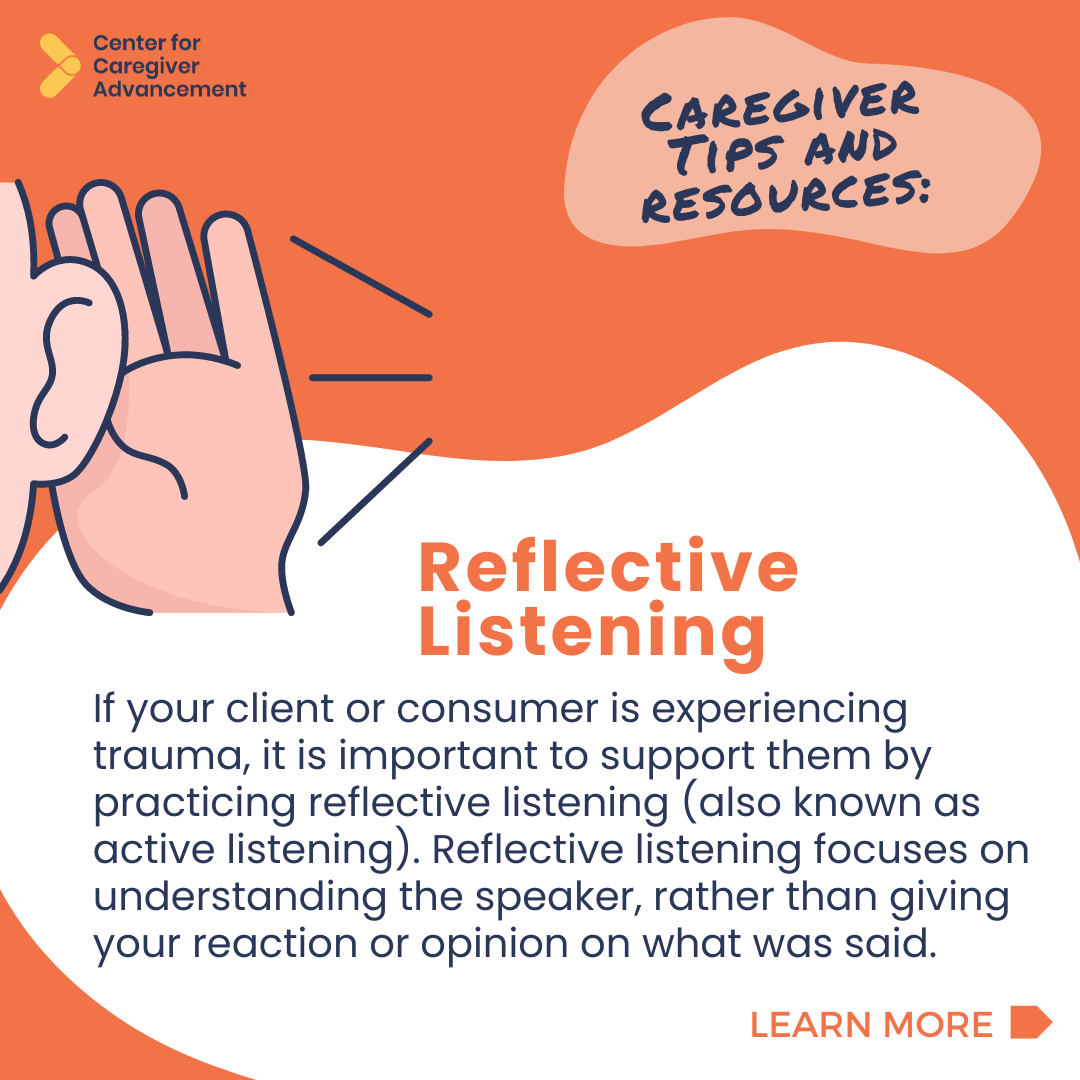
It demonstrates respect, builds trust, and ensures a better understanding of the client’s needs and feelings.
Why Good Listening Matters
Why Good Listening Matters
- Builds Trust: Clients feel valued and understood.
- Encourages Openness: Fosters honest sharing of thoughts and emotions.
- Ensures Understanding: Reduces errors and improves care quality.
- Give Full Attention: Focus entirely on the client. Avoid multitasking while they are speaking.
- Show Interest: Face the person, make eye contact (if culturally appropriate), and lean forward slightly to show engagement.
- Be Patient: Allow clients the time they need to express themselves without rushing or interrupting.
- Encourage Sharing: Use phrases like:
- “I see.”
- “Tell me more.”
- “Um-hmm.”
- Ask for Clarification: If something is unclear, ask questions to better understand rather than assuming.
- Avoid Interruptions: Focus on understanding rather than offering advice or solutions unless requested.
Silence can be a powerful tool in caregiving communication:
- Provides Thinking Space: Clients can gather their thoughts and choose words carefully.
- Supports Emotional Regulation: Allows time for clients to manage strong feelings like anger or sadness.
- Encourages Comfort: Listening quietly can offer emotional support to a sad or worried client.
If you need to take notes during a conversation, follow these guidelines:
- Seek Permission: Always ask the client before taking notes.
- Explain the Purpose: Share what you are writing and why.
- Follow Policies: Adhere to your employer’s rules regarding note-taking and confidentiality.
- Maintain Privacy: Avoid using personal devices for notes. Shred informal notes after the shift ends to protect the client’s information.
Combine active listening with thoughtful silence and appropriate note-taking to ensure quality care and a strong client relationship.