Importance of Fall Prevention
Falls can be dangerous, particularly for frail clients, and may lead to severe injuries, including:
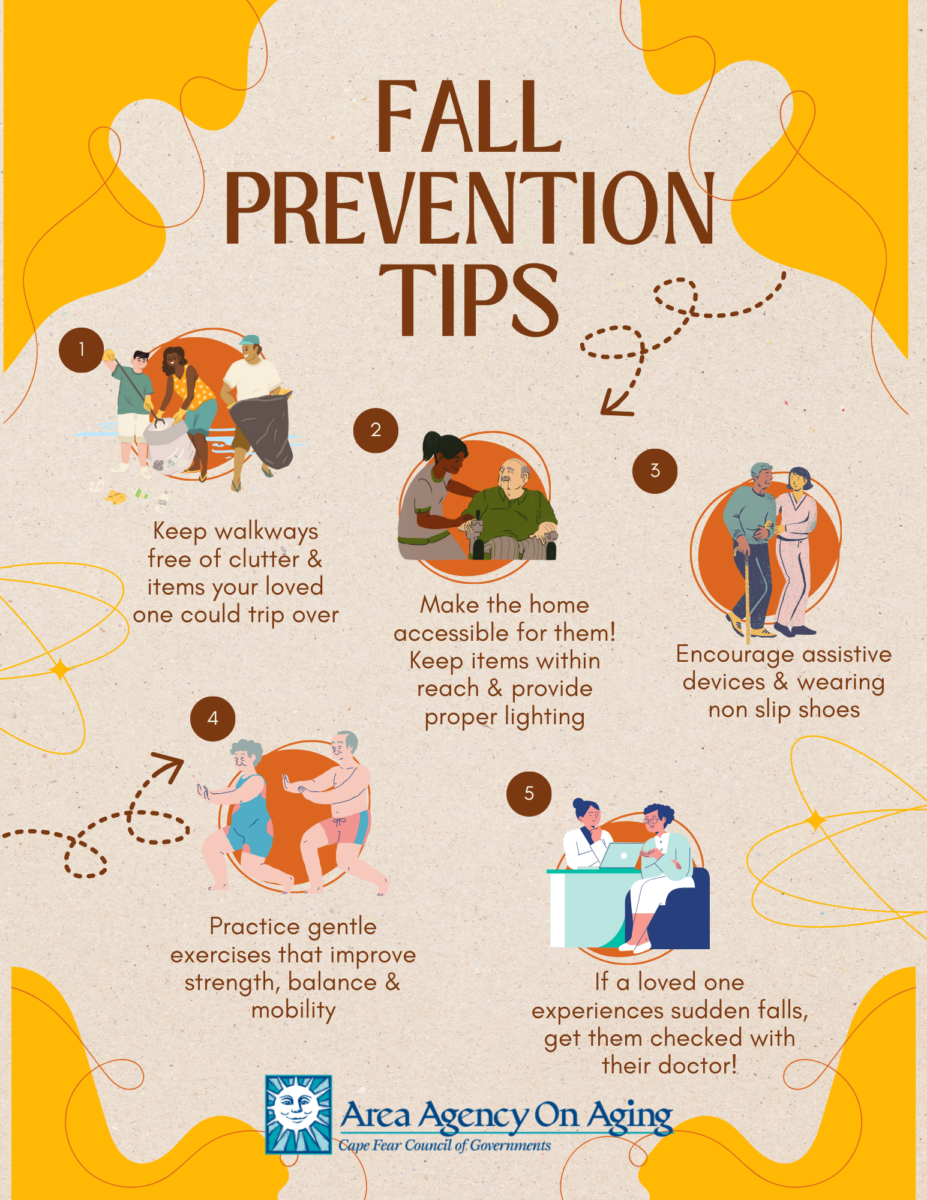
To reduce the risk of slips, trips, and falls inside and outside a client’s living space:
- Broken hips, legs, wrists, or arms.
- Head injuries.
- Indication of underlying medical problems.
To reduce the risk of slips, trips, and falls inside and outside a client’s living space:
Walking Surfaces
During the Fall: Do not attempt to stop the fall. Instead, focus on supporting the client’s head and easing them to the floor. Maintain a stable posture by keeping your feet apart and back straight. Pull the client close to you and allow them to slide down your body safely.
After the Fall:
- Ensure walkways and flooring are in good condition.
- Be vigilant of uneven or slippery surfaces, cracks, or holes.
- Wear sturdy, closed-toed, slip-resistant shoes.
- Use handrails when available.
- Keep rooms, stairs, and pathways clear of clutter, especially to the bathroom.
- Use nightlights in the client’s room, hallways, and bathrooms.
- Check for wobbly handrails, rotting wood, or unstable stairs.
- Watch for potential leash hazards when walking dogs.
- Remove throw rugs or secure them with non-slip backing.
- Install handrails in tubs and near toilets.
- Use safety toilet seats to make standing or sitting easier.
- Place frequently used items on lower kitchen shelves.
- Use non-slip mats in showers and tubs.
- Enhance step visibility by varying floor-level colors.
During the Fall: Do not attempt to stop the fall. Instead, focus on supporting the client’s head and easing them to the floor. Maintain a stable posture by keeping your feet apart and back straight. Pull the client close to you and allow them to slide down your body safely.
After the Fall:
If the Client CAN Get Up:
- Ask, “How do you feel?” and observe for signs of injury.
- If the client feels unhurt and is comfortable, watch carefully as they get up.
- Follow workplace policies regarding assistance back to their original position.
- Offer steadying support but avoid lifting the client.
- Do NOT lift or move the client.
- Cover the client with a blanket for warmth.
- Avoid offering food or drink.
- Seek help immediately, following workplace protocols for whom to contact.
- Identify and remove fall hazards whenever possible.
- Document and report any hazards to the appropriate person or department.