Privacy is a cornerstone of respectful and dignified caregiving. It ensures that clients feel safe, independent, and free from unnecessary embarrassment or vulnerability.
Knock Before Entering
What to Do: Always knock on a closed door and wait for the client to respond before entering.
Example: If a caregiver is delivering medication to a client’s room, they knock and hear “Come in” before entering. This small action respects the client’s private space.
Ensure Privacy During Care Tasks
What to Do: Close windows, curtains, doors, or use privacy screens before starting personal care tasks.
Example: A caregiver preparing to assist with a shower ensures the bathroom door is closed and the curtains are drawn to prevent anyone from seeing inside.
Comfort with Room Occupants
What to Do: Verify that the client is okay with the presence of visitors or roommates during personal care.
Example: Before changing a client’s clothes, the caregiver asks, “Would you like me to ask your roommate to step out for a moment?”
Cover the Client During Care
What to Do: Keep the client covered as much as possible when performing tasks such as bathing, dressing, or wound care.
Example: When assisting a client with dressing, the caregiver covers the client with a towel or blanket, exposing only the area being worked on.
Avoid Taking Photos or Recordings
What to Do: Never take pictures, videos, or recordings of clients, even for personal use or with good intentions.
Example: A caregiver spots a cute moment between a client and their pet but refrains from taking a photo, understanding that it’s a breach of privacy.
Respecting Privacy During Communication and Social Activities
Phone Calls and Virtual Messaging
What to Do: Give clients space and ensure privacy during phone or video calls and virtual communication.
Example: A caregiver steps out of the room or turns away while a client makes a video call to their family.
Handling Visitors
What to Do: Allow clients to meet visitors in private and avoid listening in on their conversations unless assistance is requested.
Example: A caregiver ensures a client and their visiting friend have time alone by stepping into another room.
Opening Mail or Email
What to Do: Ensure that clients can open their mail or email without interference unless they ask for help.
Example: A caregiver asks, “Would you like me to assist with your mail, or would you prefer to read it alone?”
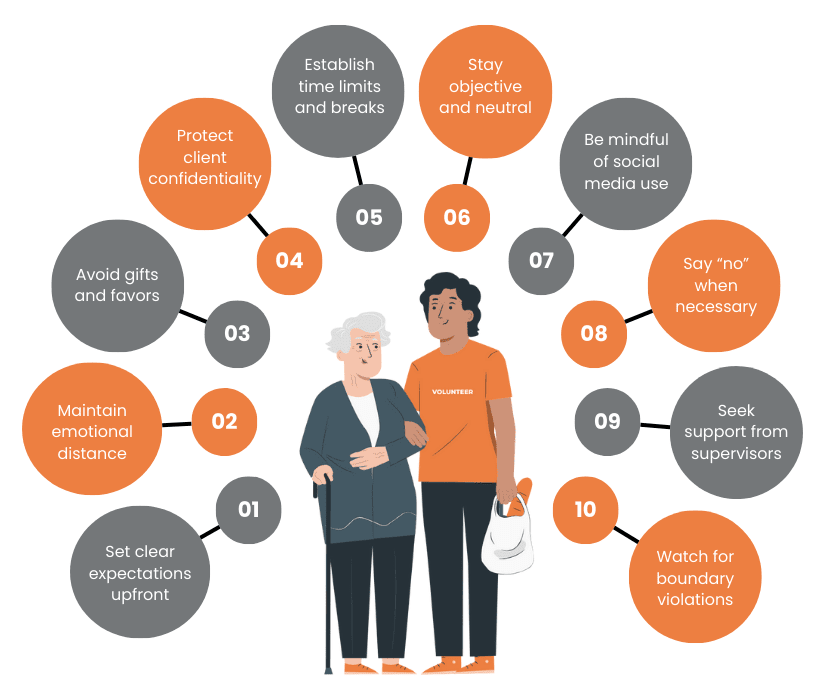
Protecting a client’s privacy during physical and personal moments builds trust, fosters dignity, and supports their overall well-being.
Protecting a Client’s Privacy During Physical and Personal Care
Protecting a Client’s Privacy During Physical and Personal Care
Knock Before Entering
What to Do: Always knock on a closed door and wait for the client to respond before entering.
Example: If a caregiver is delivering medication to a client’s room, they knock and hear “Come in” before entering. This small action respects the client’s private space.
Ensure Privacy During Care Tasks
What to Do: Close windows, curtains, doors, or use privacy screens before starting personal care tasks.
Example: A caregiver preparing to assist with a shower ensures the bathroom door is closed and the curtains are drawn to prevent anyone from seeing inside.
Comfort with Room Occupants
What to Do: Verify that the client is okay with the presence of visitors or roommates during personal care.
Example: Before changing a client’s clothes, the caregiver asks, “Would you like me to ask your roommate to step out for a moment?”
Cover the Client During Care
What to Do: Keep the client covered as much as possible when performing tasks such as bathing, dressing, or wound care.
Example: When assisting a client with dressing, the caregiver covers the client with a towel or blanket, exposing only the area being worked on.
Avoid Taking Photos or Recordings
What to Do: Never take pictures, videos, or recordings of clients, even for personal use or with good intentions.
Example: A caregiver spots a cute moment between a client and their pet but refrains from taking a photo, understanding that it’s a breach of privacy.
Respecting Privacy During Communication and Social Activities
Phone Calls and Virtual Messaging
What to Do: Give clients space and ensure privacy during phone or video calls and virtual communication.
Example: A caregiver steps out of the room or turns away while a client makes a video call to their family.
Handling Visitors
What to Do: Allow clients to meet visitors in private and avoid listening in on their conversations unless assistance is requested.
Example: A caregiver ensures a client and their visiting friend have time alone by stepping into another room.
Opening Mail or Email
What to Do: Ensure that clients can open their mail or email without interference unless they ask for help.
Example: A caregiver asks, “Would you like me to assist with your mail, or would you prefer to read it alone?”
The Impact of Protecting Privacy
By adhering to these practices, caregivers:
Failing to protect a client’s privacy can lead to:
By adhering to these practices, caregivers:
- Preserve clients’ dignity and independence.
- Create a trusting and respectful caregiving relationship.
- Reduce feelings of vulnerability, shame, or embarrassment.
Failing to protect a client’s privacy can lead to:
- Emotional Harm: Clients may feel disrespected or humiliated.
- Example: A client feels embarrassed if a caregiver enters their room without knocking while they are dressing.
- Loss of Trust: Clients may become reluctant to share information or accept help.
- Example: A client may resist personal care if their caregiver habitually disregards privacy.
- Legal and Ethical Issues: Breaching privacy can result in violations of laws like HIPAA, leading to professional consequences.
