When caring for individuals with dementia, it is essential to recognize that unusual or uncharacteristic sexual behaviors may stem from the illness itself.
Sexualized Behavior vs. Sexual Behavior
Behavior as a Continuation of Personality
A person who was flirtatious in their youth may continue similar behaviors.
These behaviors may seem inappropriate but could simply reflect habits formed earlier in life.
Behaviors Are Not Personal
Inappropriate behaviors, including those directed at caregivers, are rarely personal.
They stem from the brain changes caused by dementia and the inability to express needs appropriately.
Responding to Sexualized Behaviors
Remain Calm and Respectful.
Assess what the person might be trying to communicate:
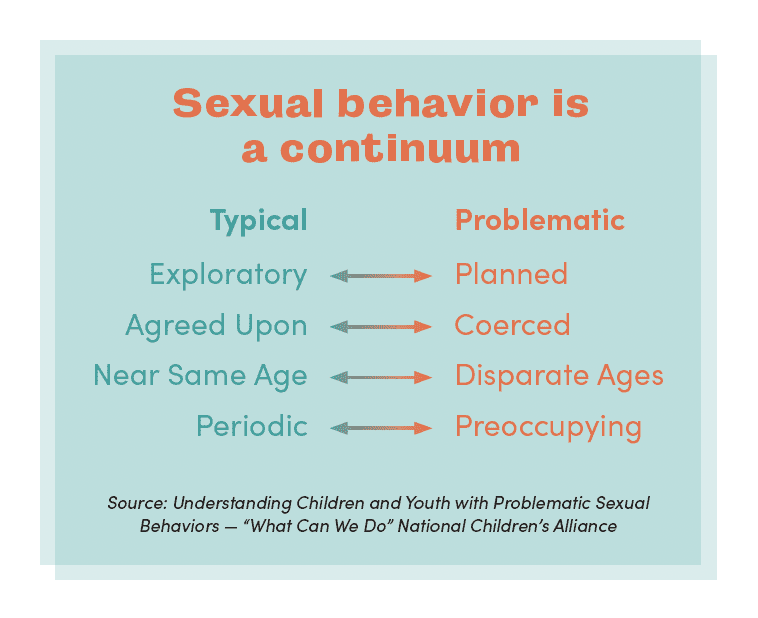
Sexualized Behavior vs. Sexual Behavior
Sexualized behaviors appear sexual in nature but often reflect other needs such as:
- Comfort, connection, or affection.
- A need for physical touch or reassurance.
- Confusion, discomfort, or frustration.
Behavior as a Continuation of Personality
A person who was flirtatious in their youth may continue similar behaviors.
These behaviors may seem inappropriate but could simply reflect habits formed earlier in life.
Behaviors Are Not Personal
Inappropriate behaviors, including those directed at caregivers, are rarely personal.
They stem from the brain changes caused by dementia and the inability to express needs appropriately.
Responding to Sexualized Behaviors
Remain Calm and Respectful.
- Do not respond with anger or embarrassment. Redirect the behavior in a calm, neutral tone.
- Maintain the dignity of the person with dementia while addressing the situation.
Assess what the person might be trying to communicate:
- Are they lonely, anxious, or confused?
- Do they need reassurance, physical comfort, or attention?
- Are they experiencing physical discomfort (e.g., tight clothing, needing the bathroom)?
- Engage the person in an appropriate activity to redirect their attention (e.g., offering a comforting touch, involving them in a task, or initiating a conversation).
- Avoid confrontation; instead, gently guide their focus elsewhere.
- If behaviors occur in communal spaces, lead the person to a quieter, private area where their needs can be met without embarrassment.
- Report sexualized behaviors to your supervisor or care team. Discuss strategies for addressing these behaviors consistently and effectively.
By addressing the root causes and maintaining the dignity of individuals with dementia, caregivers can create a supportive and compassionate environment.