As a Long-Term Care (LTC) worker, it’s important to recognize the potential for violent or aggressive behavior, know how to minimize risks, and ensure the safety of yourself and others.
Violence or aggression may occur:
Stay Alert: Always observe your surroundings and monitor behavior.
Have a Plan: Be prepared with strategies to respond if violence occurs.
In Adult Family Homes (AFHs) and Assisted Living Facilities (ALFs), follow the documented safety plan for:
Report all incidents of violence to your supervisor or the appropriate person. In some cases, you may need to report violence as a mandated reporter to law enforcement.
Possible Risk Factors
Substance Abuse: Drugs or alcohol misuse.
History of Violence: Uncontrolled anger or aggression.
Unrealistic Fears or Grudges: Focused on perceived injustices.
Blaming Behavior: Refusal to take responsibility for actions.
Fascination with Weapons: Talks about violent acts in detail.
Mood Instability: Rapid mood swings or withdrawal from activities.
Early indicators of potential aggression include:
Physical Gestures: Clenched fists, finger-pointing, or jabbing.
Anxiety or Restlessness: Excessive pacing or nervous movements.
Glaring or Muttering: Displays of hostility.
Preparation and awareness are critical in preventing workplace violence. Stay vigilant, follow protocols, and report any incidents promptly to maintain a safe environment for everyone.
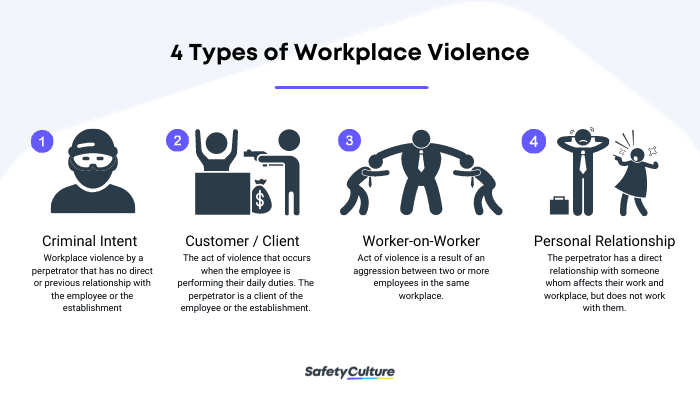
Violence or aggression may occur:
- From a client or someone in the home directed at you, other clients, or staff.
- Between household members, such as spousal abuse.
- In the client’s neighborhood or surrounding area.
Stay Alert: Always observe your surroundings and monitor behavior.
Have a Plan: Be prepared with strategies to respond if violence occurs.
In Adult Family Homes (AFHs) and Assisted Living Facilities (ALFs), follow the documented safety plan for:
- Handling violent clients.
- Protecting other clients and staff.
- Knowing when to involve care team members or call for help.
Report all incidents of violence to your supervisor or the appropriate person. In some cases, you may need to report violence as a mandated reporter to law enforcement.
Possible Risk Factors
Substance Abuse: Drugs or alcohol misuse.
History of Violence: Uncontrolled anger or aggression.
Unrealistic Fears or Grudges: Focused on perceived injustices.
Blaming Behavior: Refusal to take responsibility for actions.
Fascination with Weapons: Talks about violent acts in detail.
Mood Instability: Rapid mood swings or withdrawal from activities.
Early indicators of potential aggression include:
Raised Voice: Yelling or shouting.
Physical Gestures: Clenched fists, finger-pointing, or jabbing.
Anxiety or Restlessness: Excessive pacing or nervous movements.
Glaring or Muttering: Displays of hostility.
Preparation and awareness are critical in preventing workplace violence. Stay vigilant, follow protocols, and report any incidents promptly to maintain a safe environment for everyone.